
Dęblin 2026-07-26
Airfield basing of combat aircraft.
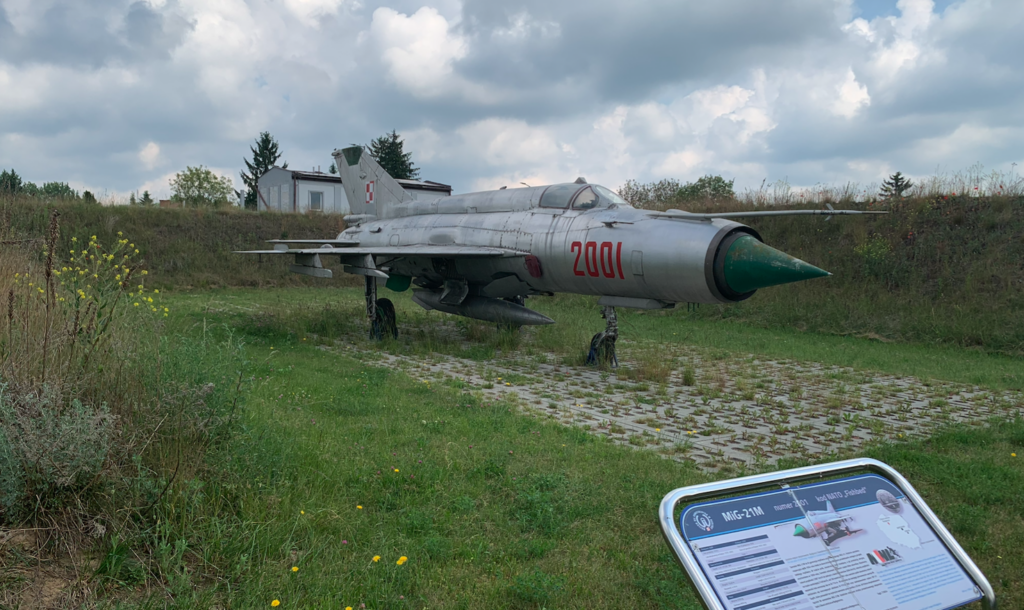
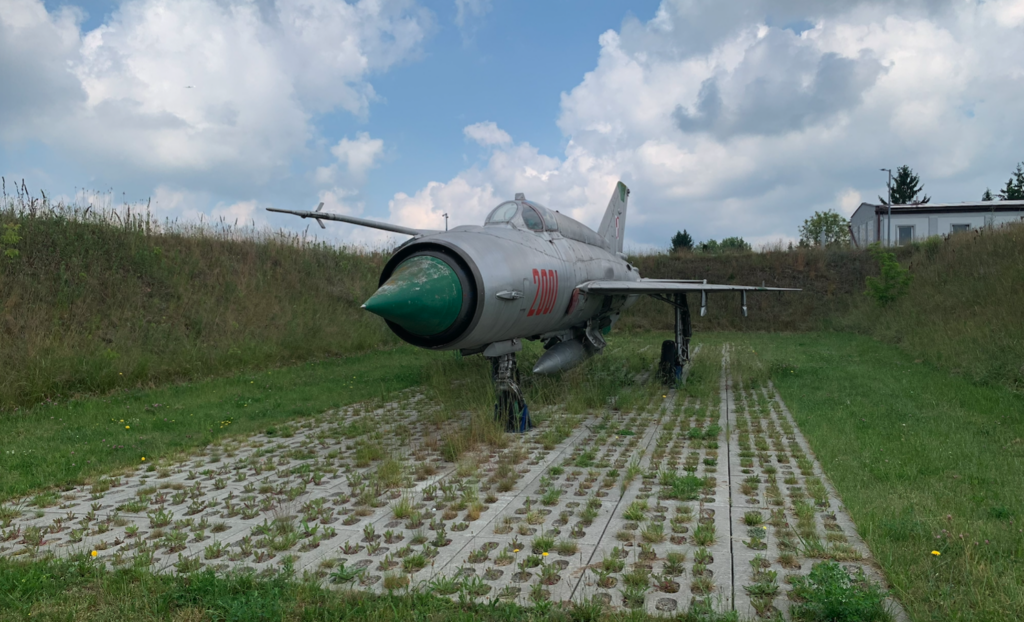
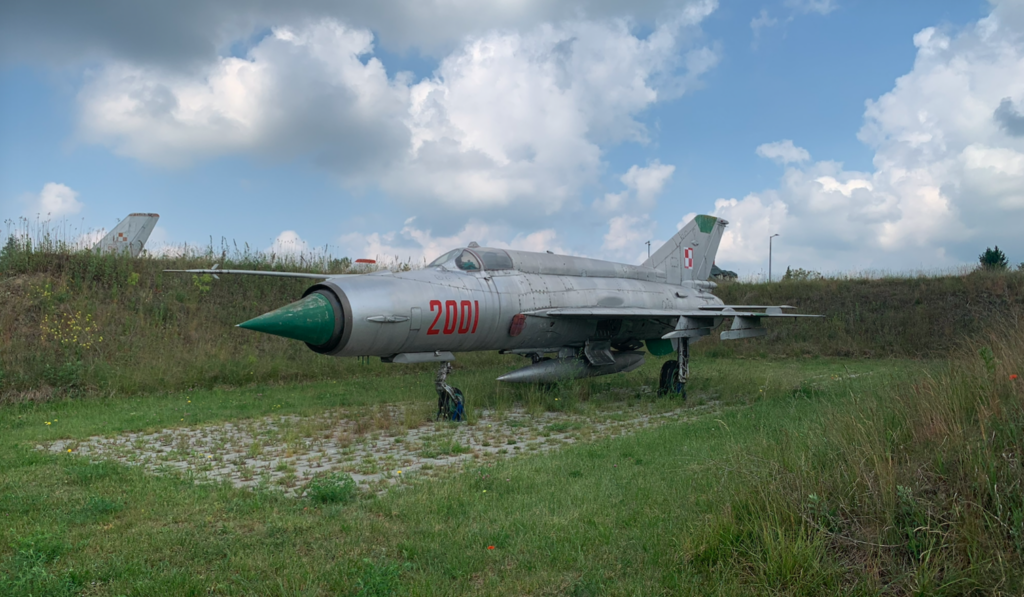
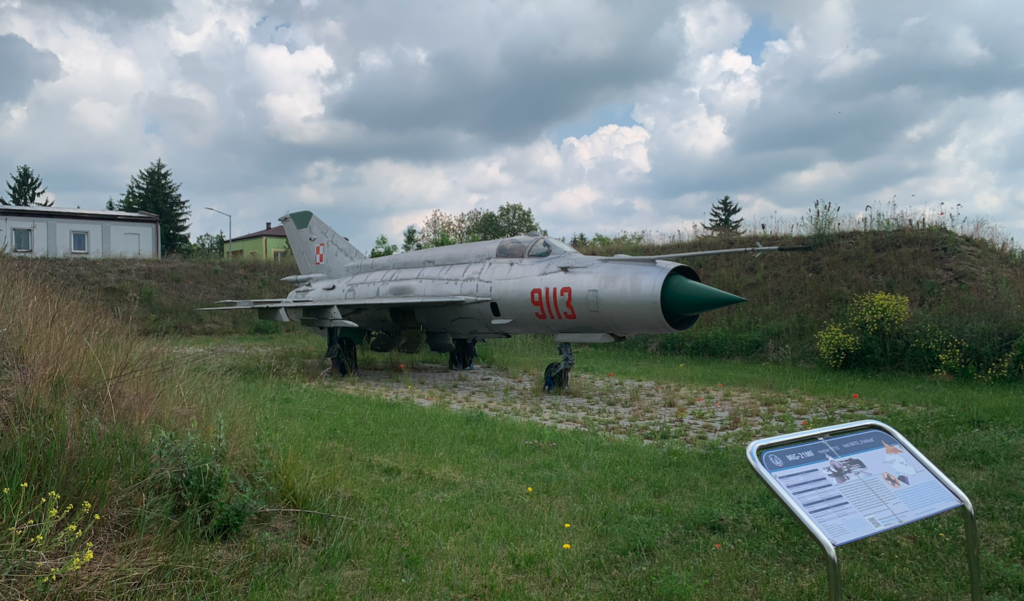
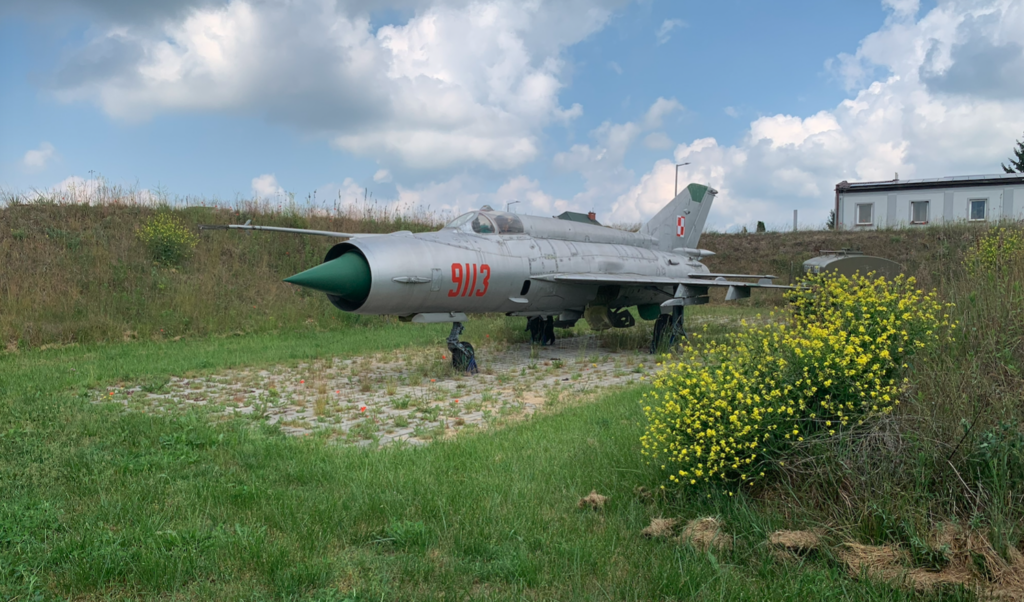
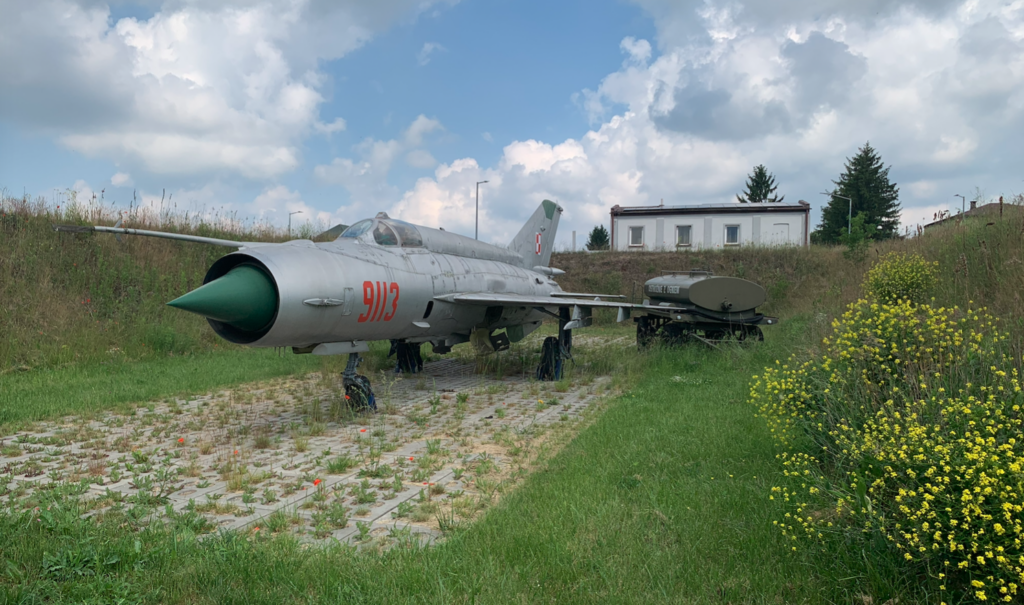
Airfield basing of combat aircraft means stopping aircraft between flights or during maintenance and repairs. This seemed very simple. Aircraft were parked on the apron, in neat rows (from the line) with sufficient separation to avoid hindering ground crews. However, as a result of the wars in the Middle East and Indochina (1960s), it turned out that in such a situation, aircraft became easy targets for destruction during an air raid by enemy attack aircraft. One aircraft, with a long burst from its onboard weapons, could destroy or damage several aircraft lined up in a single raid. And again, as in World War II, aircraft were dispersed, meaning they were placed in dispersion zones in apparent disarray. Nearby trees, natural depressions, and hills proved helpful. This dispersion meant that aircraft on the ground had to be a separate target for the enemy. Relatively quickly, individual aircraft parking stands were surrounded by earth on three sides, providing additional protection against air raids. At airports where space was limited, such as Strachowice Airport, the stands were designed for two aircraft, separated by an additional earthen embankment. At airports with ample space, two or even three dispersal zones were organized.
At the end of the 1960s, the first shelter-hangars, or individual aircraft hideouts, appeared. They were intended to protect aircraft not only from conventional attack but also from nuclear attack. However, building shelter-hangars was expensive and not always economically or tactically justified. It’s also important to remember that such shelters had their drawbacks. The interior was usually damp, which adversely affected the electronics and the steel components of the aircraft. Furthermore, the doors to the shelter-hangar were made of steel or reinforced concrete. They were heavy and required an additional mechanism to open, either hydraulic or electric. This additional device added additional costs, required maintenance, and extended the time required to push the aircraft out of hiding.
Therefore, earthen embankments continued to be used. Additionally, small rooms, like handy warehouses, were constructed within this embankment. These were constructed from prefabricated concrete elements. Aircraft crews stored basic tools and items used for aircraft maintenance here: wheel stands, cones and covers for air intakes and exhaust nozzles, covers for cockpit glazing, antennas and various equipment components, covers and fire extinguishers.
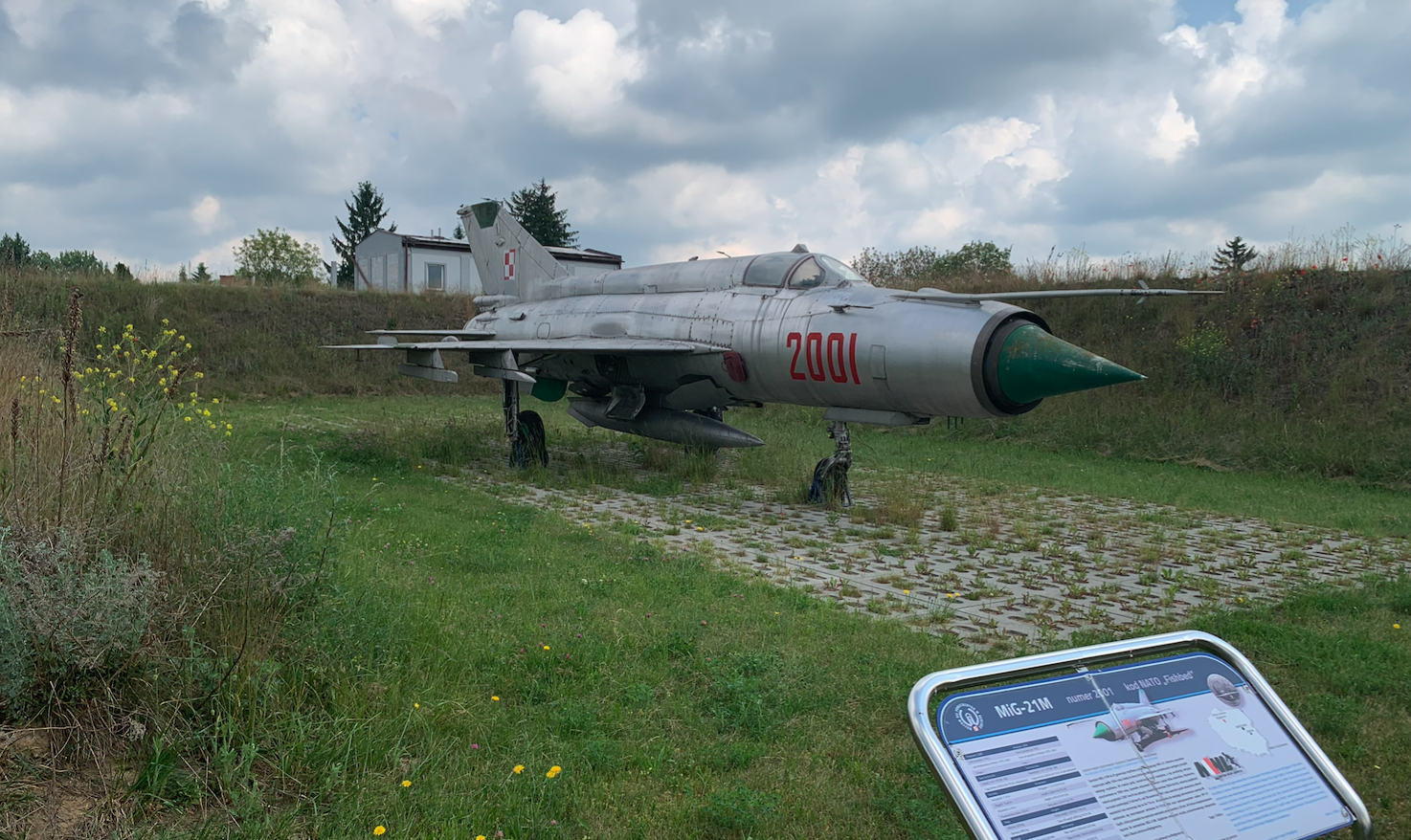
At the Polish Air Force Museum in Dęblin, a double embankment of this type has been recreated, housing two MiG-21 aircraft. The aircraft on display include a MiG-21 MF nb 9113 and a MiG-21 M nb 2001. A trailer with a fuel tanker was also placed within the embankment. The embankments are approximately 3 meters high. The parking area is approximately 15 meters wide and 20 meters long. The aircraft are positioned on openwork concrete slabs. These slabs prevent the aircraft from sinking in muddy terrain while also allowing for effective rainwater drainage. Each concrete slab weighs approximately 80 kg and was easily moved by four soldiers using shovel handles.
Written by Karol Placha Hetman