
Kraków 2008-08-01
Polish Military Contingent Orlik 2 in Lithuania.
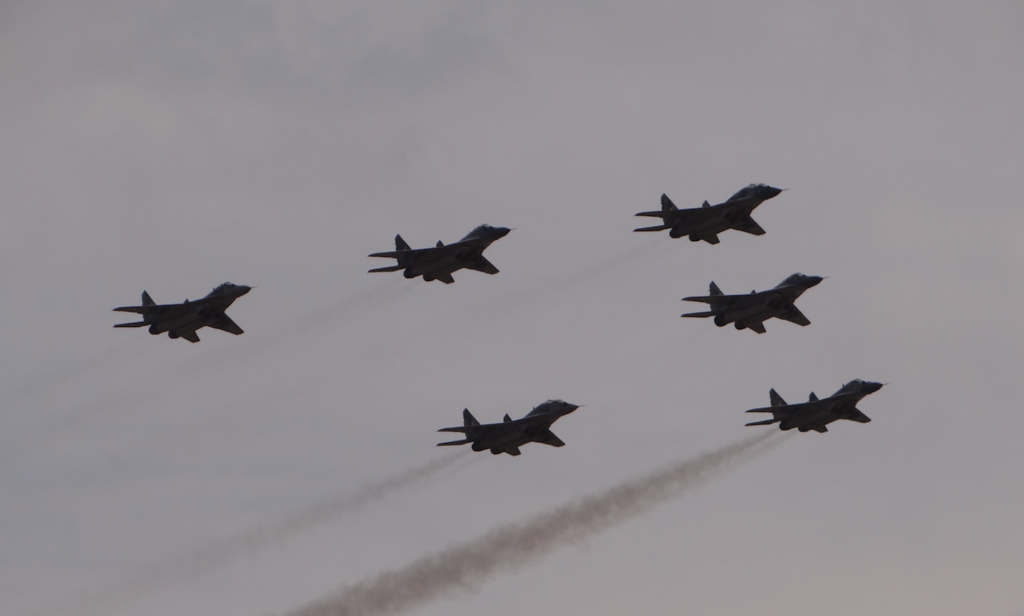
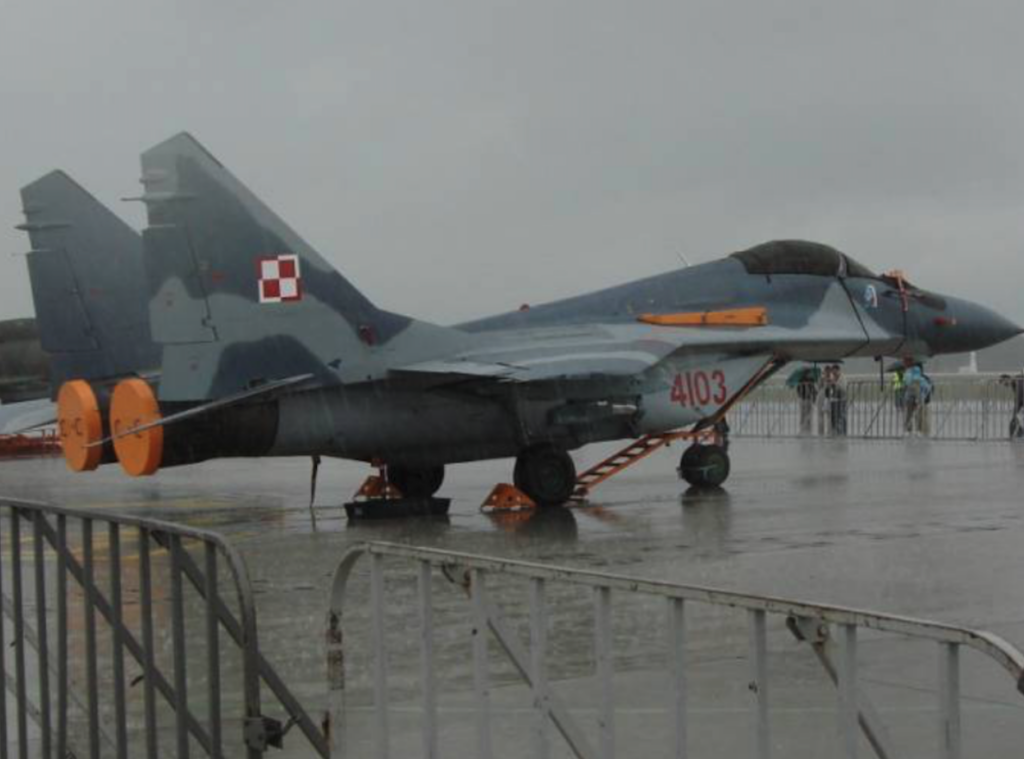
On March 12, 2008, at the 22nd Air Base in Malbork, a farewell was held for the Polish Military Contingent “Orlik 2,” which was heading to Lithuania to perform air policing duties as part of the NATO Integrated Air Defense System (NATINADS), ensuring the protection of the airspace of Lithuania, Latvia, and Estonia within NATO. The Air Policing mission involves policing the airspace of the three Baltic countries, which are currently unable to maintain their own fighter (combat) aircraft. It has been in operation since March 29, 2004, with Belgium as the first country on duty. The mission is carried out on a rotational basis by other NATO member states for approximately 3-4 months. Polish soldiers were deployed as the 16th rotation, replacing Norwegian soldiers. This was the second rotation deployed by Poland.
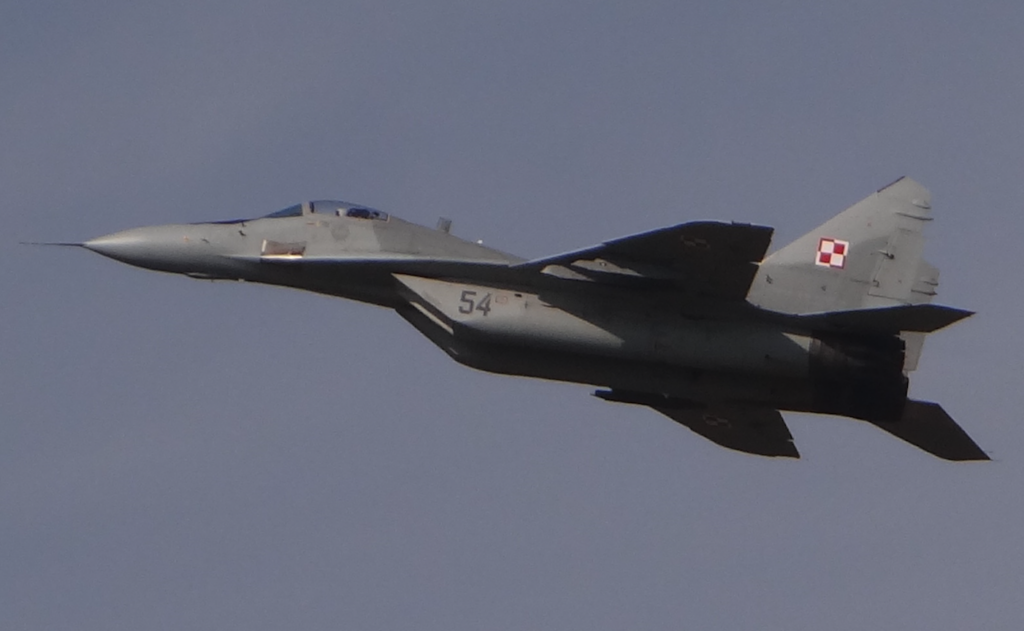
The Polish Military Contingent, under the command of Lieutenant Colonel Pilot Mariusz BIAJGO, is based, like all others, in Lithuania. Its primary forces and assets are based at the Siauliai Šiauliai Air Base, and its guidance navigators are based at the CRC (Command and Guidance Center) in Karmelava. The contingent included four MiG-29 aircraft from the 41st ELT (Tactical Air Squadron) from Malbork, pilots, technical and engineering personnel from the 41st ELT and the 22nd Air Base, and soldiers from other Air Force units. A total of over 100 soldiers.
The soldiers of PKW Orlik 2 performed their duties continuously, 24 hours a day, seven days a week. Command of PKW Orlik 2 was transferred to the Operational Command. Poland took over duty on March 15, 2008, from the Royal Norwegian Air Force (Luftforsvaret). The alternate airports were the international airports of Riga, Vilnius, Kaunas, Tallinn, and Tampere in Finland. On March 15, 2008, in the morning, the Polish Contingent personnel replaced their Norwegian colleagues at combat duty stations. The Polish flag was raised and flown alongside the NATO and Lithuanian flags. After the swearing-in ceremony, the Polish and Norwegian airmen exchanged friendly handshakes and wishes for a safe return home and peaceful service. The Norwegian F-16s then took to the air, setting course for Norway. Polish MiG-29s remained in their hangars, ready for combat. The Polish pilots’ duty began.
The Norwegians’ departure was exceptionally impressive. Due to the wet runway, the takeoff using afterburner turned into an unforgettable spectacle.
The Royal Norwegian Air Force component had been on duty in Lithuania since December 14, 2007. This was the second time the mission, taken over from Portugal, was being carried out. Four F-16 MLU aircraft were part of the mission’s equipment. The contingent numbered approximately 60 soldiers and was commanded by Lieutenant Colonel Bard Reidar Solheim.
On June 9, 2008, Minister of National Defence Bogdan Klich visited Polish Air Force pilots performing the Air Policing mission in the Baltic States. This demonstrated the seriousness with which the Polish Air Force takes the tasks assigned to and performed by it. The purpose of the visit to Siauliai was to learn about the specifics of the foreign air mission carried out by the Air Force based at the 41st Tactical Air Squadron from Malbork. What distinguishes PKW “Orlik 2” from other Polish Army contingents performing missions abroad is, among other things, the fact that it is the only Polish military mission using combat aircraft. Minister of National Defence Bogdan Klich, accompanied by Lithuanian Undersecretary of the Ministry of National Defence Renatas Norkus, Polish Ambassador to Lithuania His Excellency Janusz Skolimowski, Air Force Commander Lieutenant General Andrzej Błasik, and Director of the Department of Military Foreign Affairs Brigadier General Romuald Ratajczak, reviewed the results of the mission’s operation and Polish-Lithuanian cooperation at the Siauliai Air Base. The status of the contingent’s mandated tasks was presented by the Commander of PKW “Orlik 2,” Lieutenant Colonel Pil. Mariusz Biajgo, while the Commander of the Siauliai Air Base, Lieutenant Colonel Audronis Navickas, reported on cooperation within the NATO Air Policing mission from the Lithuanian Air Force’s perspective. The commanders welcomed the Polish Contingent’s mission, emphasizing the good cooperation. The Ministry of National Defense delegation observed the actions of the combat duty personnel during the alert. The pair of MiG-29 aircraft on duty took off for a training mission over the Baltic States. Minister Klich expressed his appreciation for the pilots and satisfaction with the tasks they have completed so far.W dniu 30 czerwca 2008 roku, w Siauliai przekazano symboliczny klucz do bałtyckiej przestrzeni powietrznej dowódcy germańskiego komponentu lotniczego. Polski Kontyngent Wojskowy Orlik 2 zakończył misję Air Policing. W dniu 1 lipca 2008 roku, PKW Orlik 2 powrócił do Polski do Malborka.
With the participation of Director General of the Ministry of National Defense Jacek Olbrycht, Commander of the Air Force Lieutenant General Pilot Andrzej Błasik, Chief of Staff and Deputy Operational Commander of the Armed Forces Brigadier General Piotr Pcionek, local government authorities, and soldiers’ families, a ceremonial welcome of PKW Orlik 2 took place at the 22nd Air Base in Malbork. After landing, the contingent commander, Lieutenant Colonel Pilot Mariusz Biajgo, reported to the Director General of the Ministry of National Defense on the completion of the mission to protect the Baltic skies. Minister Jacek Olbrycht, together with Lieutenant General Pilot Andrzej Błasik, awarded the distinguished soldiers of the contingent. The Air Force Commander expressed special appreciation to Captain Pilot Leszek Błach, who, during the MiG-29 aircraft malfunction, professionally responded to the situation and landed safely at the contingent’s base airfield. Following the awards, the Air Force Commander and the Deputy Operational Commander of the Armed Forces signed the documents returning the air component to the Air Force Commander. From Lieutenant Colonel Mariusz Biajgo, Minister Jacek Olbrycht received the contingent flag, which had been flying on a flagpole in front of the pilot’s cabin in the combat duty zone since March 15th. Finally, it was time to greet the families who had been patiently waiting for their loved ones. The ceremony concluded with a parade of units from PKW Orlik 2, the 22nd Air Base, and the 41st Tactical Air Squadron.
The contingent included Polish Military Contingent MiG-29 nb 70, 4103, 4104, 4113, and 4120 aircraft. Although the contingent consisted of four aircraft, one aircraft was replaced during the mission.
Written by Karol Placha Hetman