
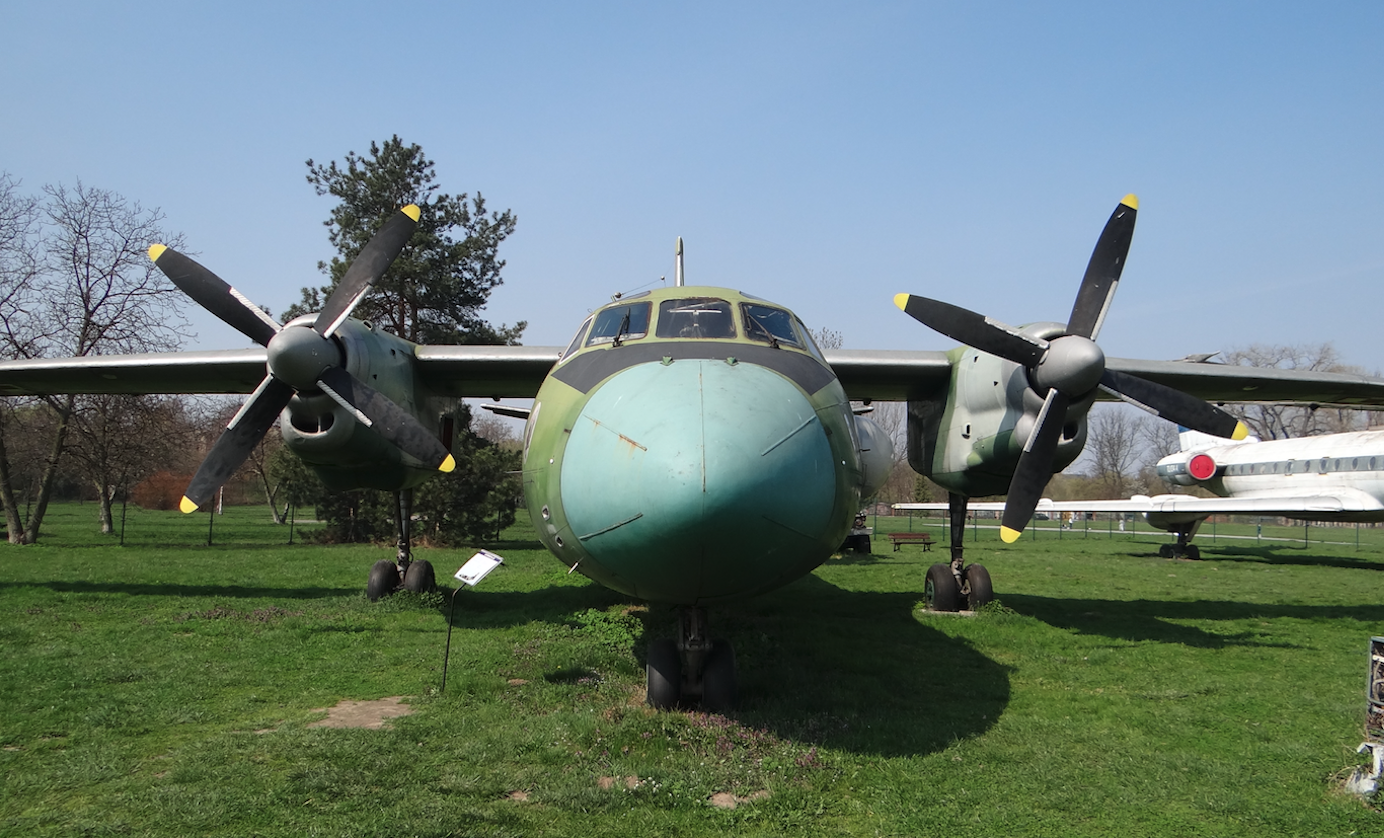
Kraków 2008-10-26
232b Section 1972-09-13
Antonov An-26. Poland
Construction
Transport aircraft. See An-24.
Construction
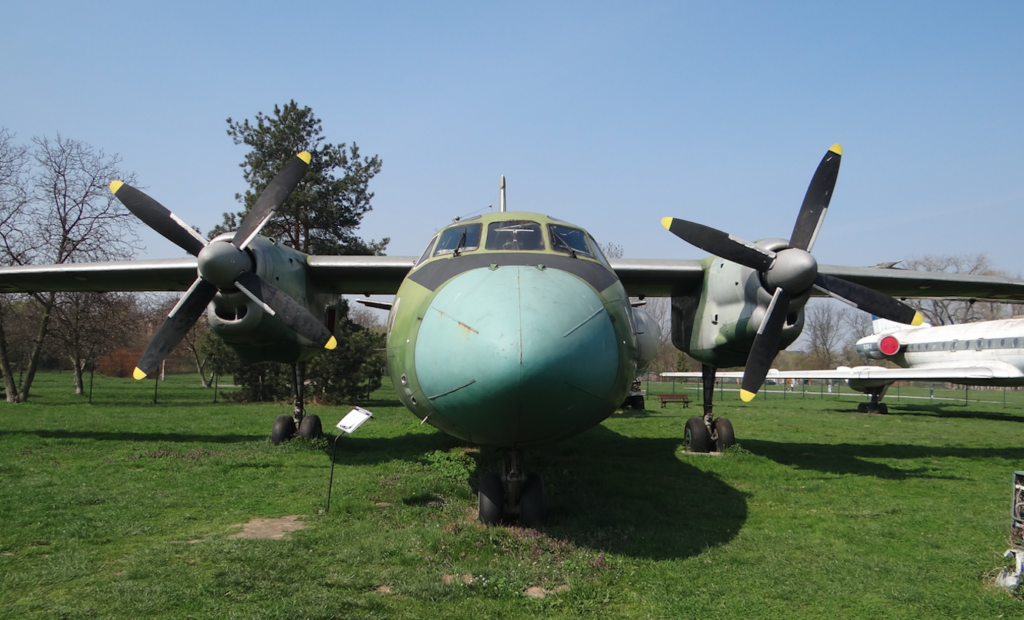
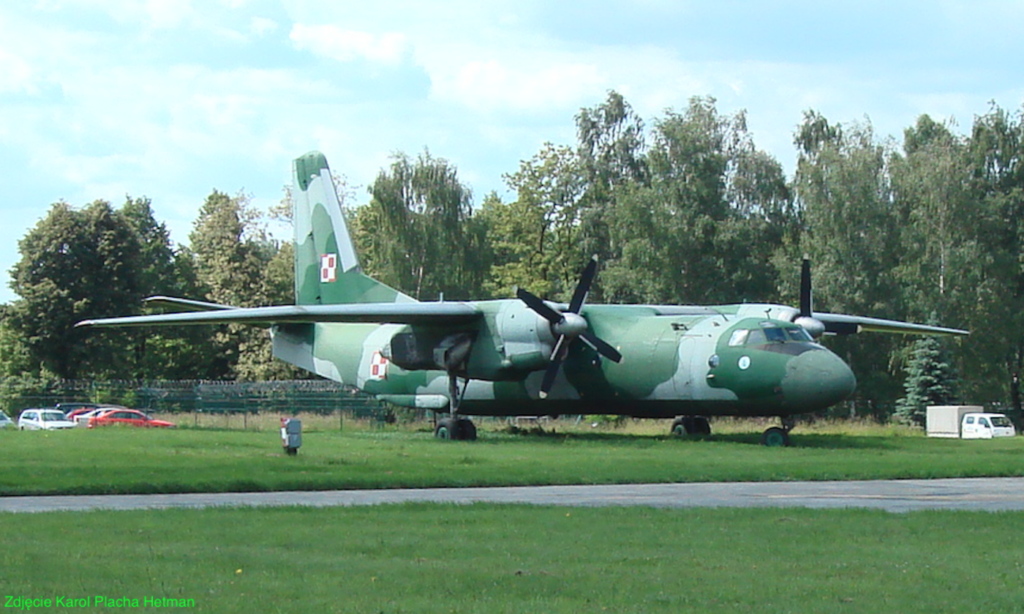
The An-26 is a short- and medium-range transport aircraft. It is also used for parachute landings and cargo, as well as for transporting the sick and injured. The crew consists of 3-5 people.
A standard crew consists of two pilots, a navigator, a radio operator, and a flight engineer. It can carry 41 parachutists, 40 passengers, or 24 injured people on stretchers. It is a three-engine, high-wing, semi-monocoque monoplane. The aircraft is adapted for ground operation.
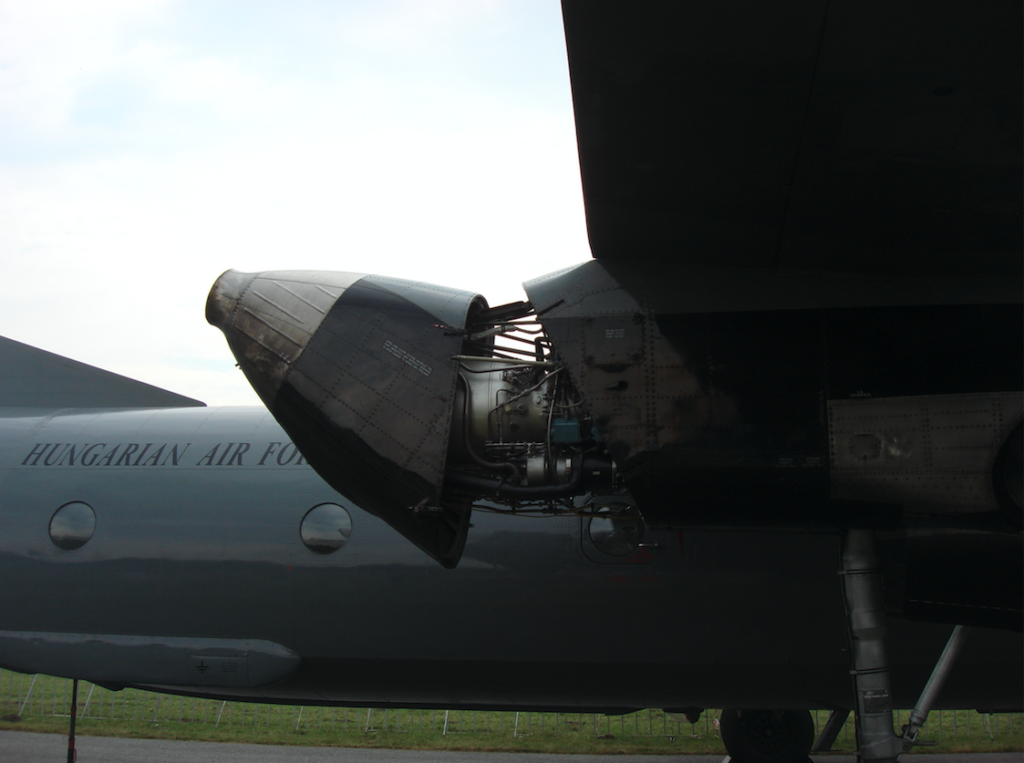
The wing is a five-section, twin-spar design. The wing has a 3-degree sweep angle. The outer wing sections have a 2-degree negative lift. The wings are equipped with flaps and ailerons. The ailerons are made of fiberglass laminate. They are mass-balanced and equipped with trim tabs. The flaps are Fowler-type, hydraulically operated. The inner flaps are single-slotted, the outer ones are double-slotted. Attached to the wings are engine nacelles connecting the main landing gear bays. The leading edges are designed as channels through which hot air flows for wing de-icing.
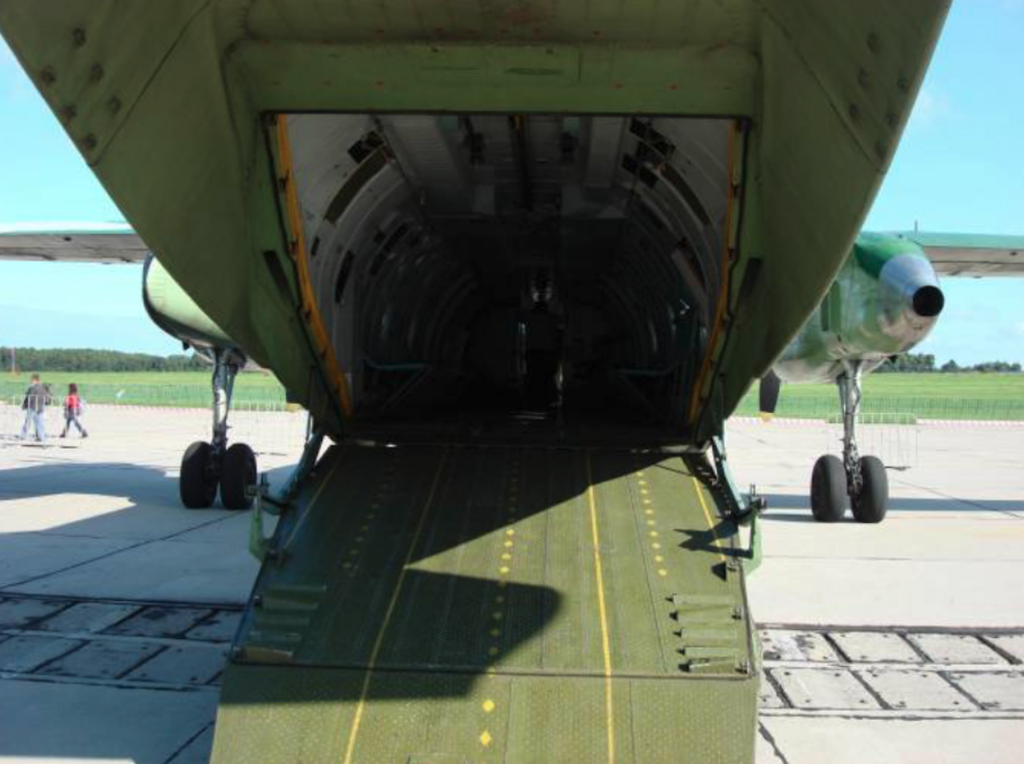
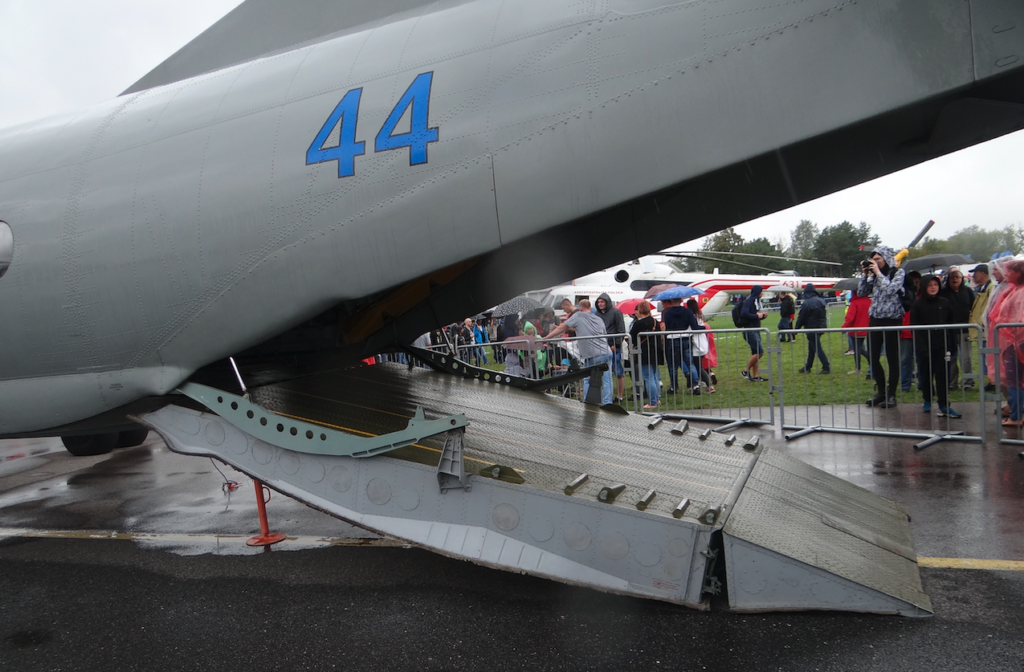
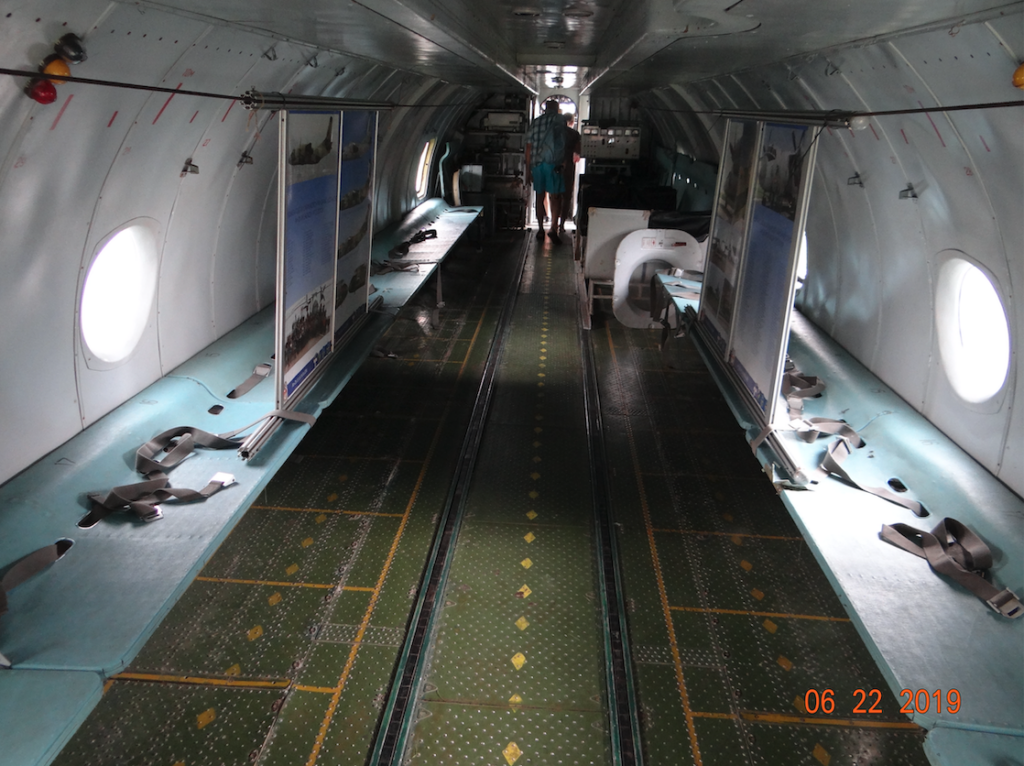
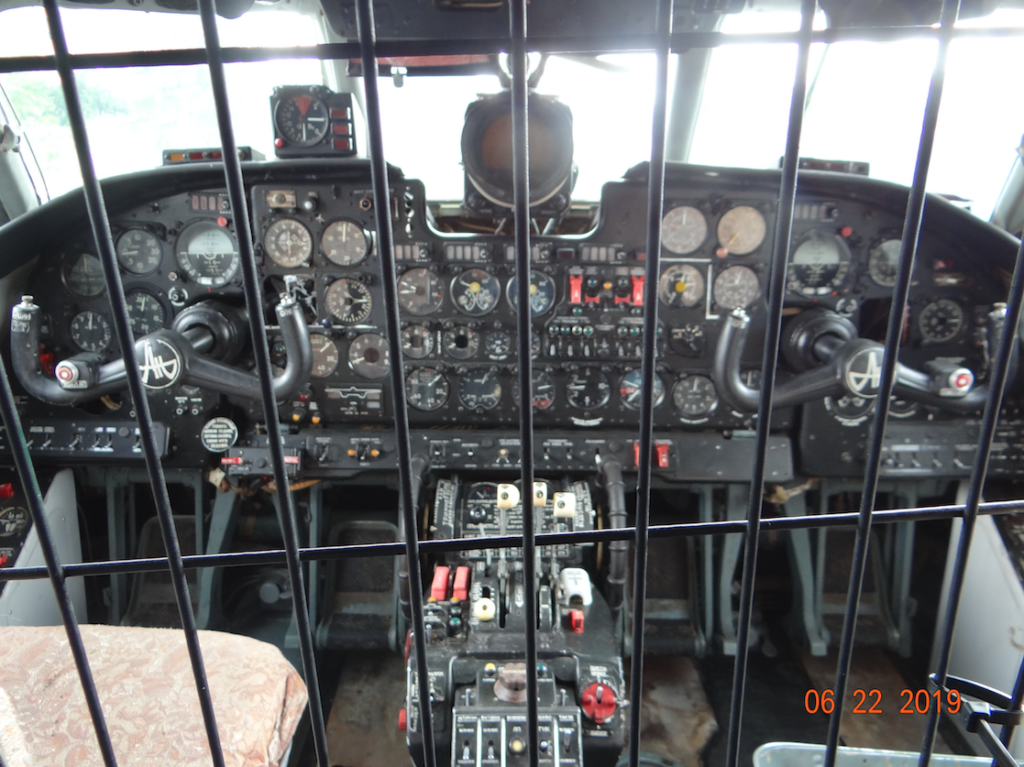
The fuselage is technologically divided into three main sections. The forward section begins with a laminate honeycomb canopy, beneath which the equipment is located. The crew cabin is designed for a crew of five: two pilots, a navigator, a radio operator, and a flight engineer. The left, rear station is occupied by the navigator, who has a window in the form of a semicircular dome in which a targeting device is mounted. A hatch for emergency crew egress is located at the top of the crew cabin. A partition with a door opening to the cargo hold is located between the crew cabin and the cargo hold. The cargo hold measures 15.68 m long, 2.17 m wide, and 1.77 m high. It holds a cargo volume of 55 cubic meters. 41 folding seats are located along the sides. A chain conveyor is located in the floor for loading, unloading, and deploying cargo in flight, which will then drop by parachute. The conveyor has a load capacity of 4,550 kg. A winch with a lifting capacity of 1,500 kg, running on a rail, is located under the ceiling. A door is located in the right fuselage wall, and another emergency exit hatch is located in the underside of the fuselage. The cargo hold is equipped with only eight windows, four on each side. The first window on the port side and the last one on the starboard side are also emergency hatches. The rear door to the cargo hold measures 3.40 m long and 2.40 m wide. It is closed by a 3.40 m x 2.60 m gangway. The crew and cargo cabins are airtight and air-conditioned. The rear section of the fuselage, to which the tail is attached, is also airtight and houses the piloting, navigation, and radio-electronic equipment. Access to this section is provided through a viewing window.
The tailplane is a classic design with rudders and stabilizers. The horizontal stabilizer is mounted with significant positive lift. The vertical stabilizer has significant downdraft. The tailplane edges are de-iced with warm air. The undercarriage is tri-pod with nose wheels. All wheels are doubled. The nose gear retracts rearward into the fuselage. Steering is left and right. The main landing gear has long legs that retract forward into bays located in the engine nacelles. The main landing gear covers are heavily embossed to accommodate the largest possible tires. The covers are closed at all times, opening only to extend or retract the landing gear. This protects the bays from contamination. Oil-gas (nitrogen) shock absorbers are located in the legs. A hydraulic system retracts and extends the landing gear, steers the nose gear, and applies braking power to the main landing gear wheels. Emergency landing gear deployment under its own weight.
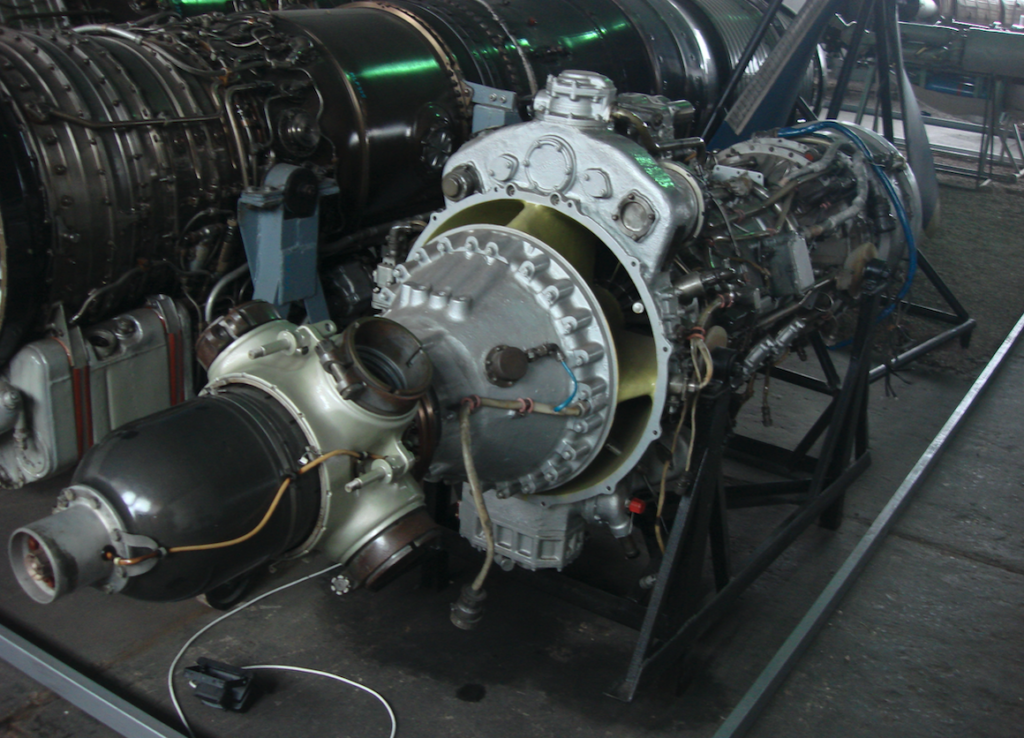
An-26 powerplant.
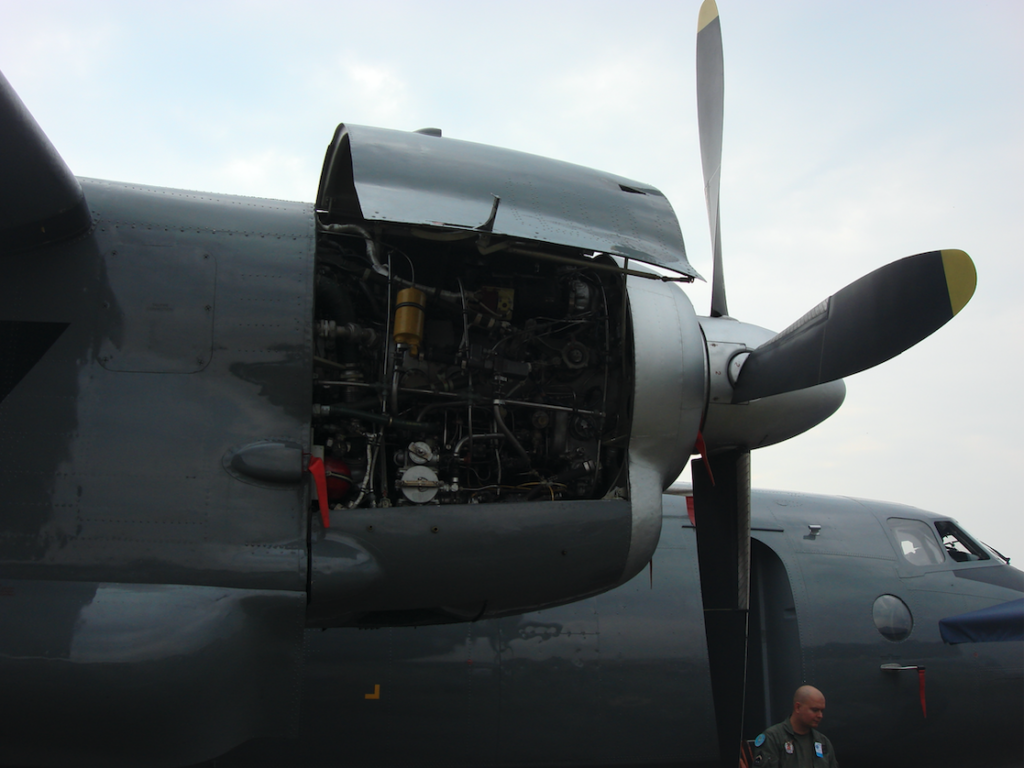
Two AI-24 WT turboprop engines with 2 x 2,076 kW – 2 x 2,103 kW (2 x 2,820 hp) with four-blade AW-72T propellers.
An additional RU-19 A-300 turbojet engine with 1 x 8.80 kN (1 x 900 kgf) thrust. Its operation provides additional thrust during takeoff and climb. This thrust is necessary in the event of a failure of one of the main engines. In this case, the flight can be continued to the destination airport without any problems. It starts the AI-24 WT engines from on-board power sources. It supplies the aircraft with electricity when stationary when the main engines are not operating. It acts as a generator in the event of a main generator failure.
An-26 fuel system.
The aircraft is equipped with three fuel pumps. Each serves one engine, but thanks to the cross-flow system, one pump can power two engines simultaneously. As fuel is lost from the tanks, the empty space is filled with carbon dioxide or nitrogen, depending on the system used. This limits the potential explosion of fuel vapors.
Fire suppression system. Automatically detects fire sources and extinguishes them using freon, particularly engines, fuel tanks, generators, and others.
Anti-icing system. De-icing is provided on the wing edges, vertical and horizontal tail edges, engine intakes, propeller blades, and cockpit windows.
T-T data of the An-26, 1972.
Span: 29.20 m. Length: 23.80 m. Wing area: 74.98 m². Empty weight: 15,020–16,914 kg. Gross weight 23,000 – 24,000 kg. Payload weight 5,500 kg. Maximum speed 540 km/h. Climb rate 3.3 m/s. Cruise speed 420 – 450 km/h. Landing speed 175 – 190 km/h. Maximum range 2,250 – 2,400 km. Range with payload 900 – 1,400 km. Flight ceiling 7,600 – 8,100 m. Take-off run 680-870 / 650-1,500 m. Engines Type AI-24 WT + RU-19, with a power of 2 x 2,076 kW + APU 1 x 8.80 kN. Crew 5 airmen. Number of aircraft in Poland; 12 examples.
Written by Karol Placha Hetman