
Dębica 2026-05-26
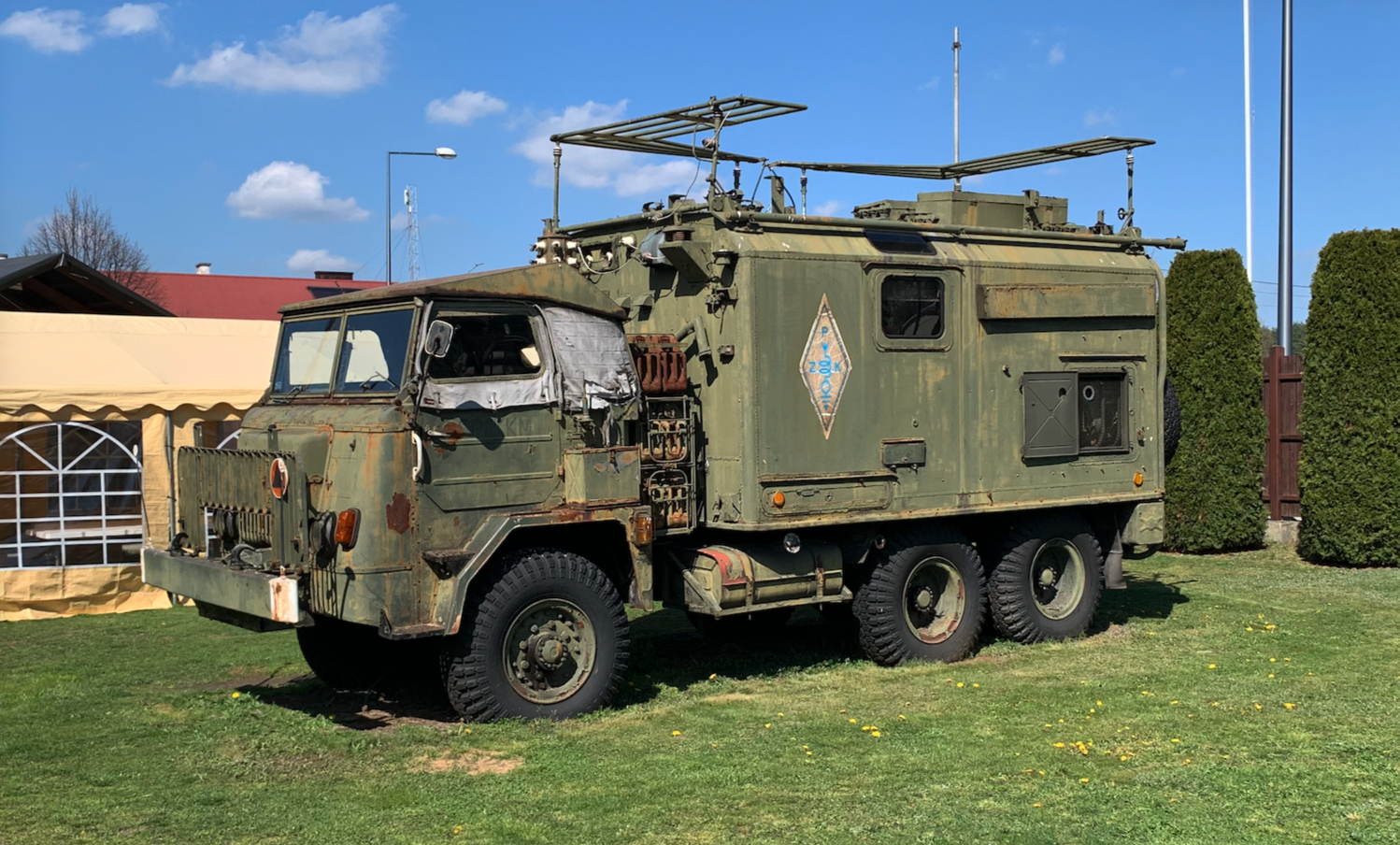
Radio communication station R-137 B.
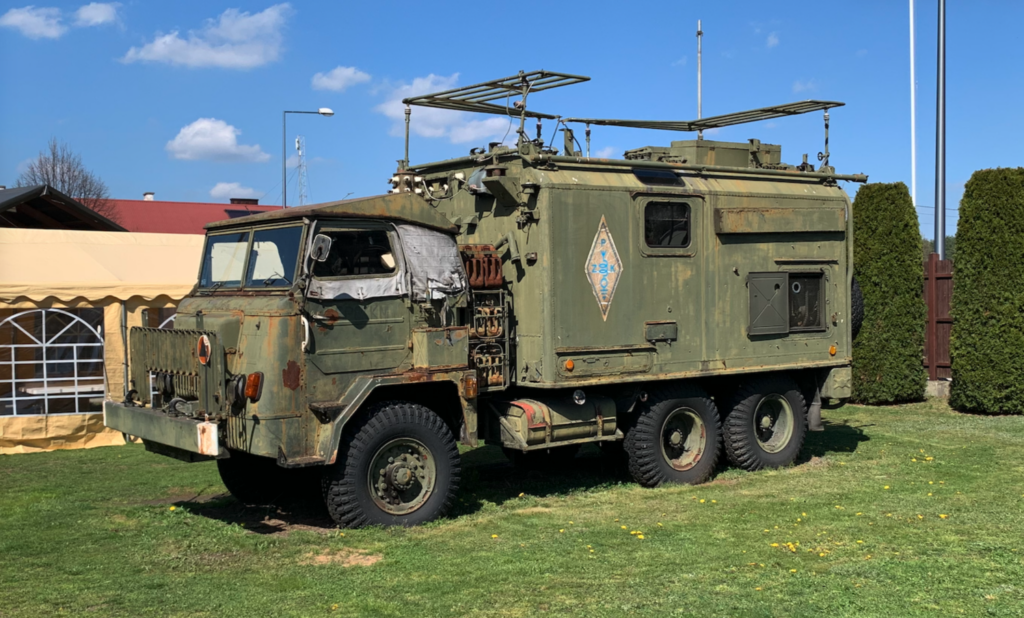
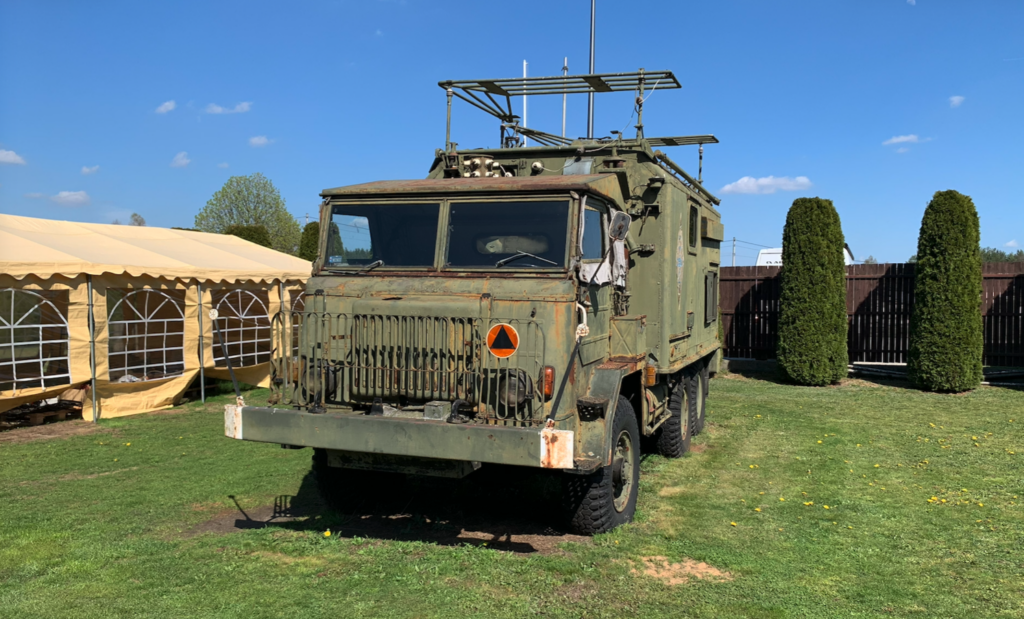
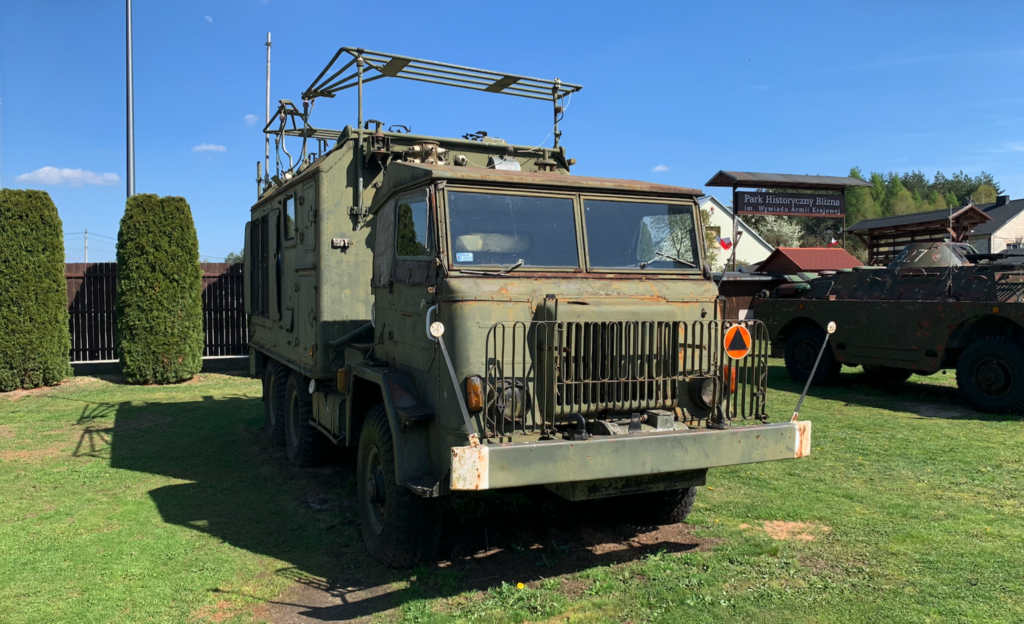
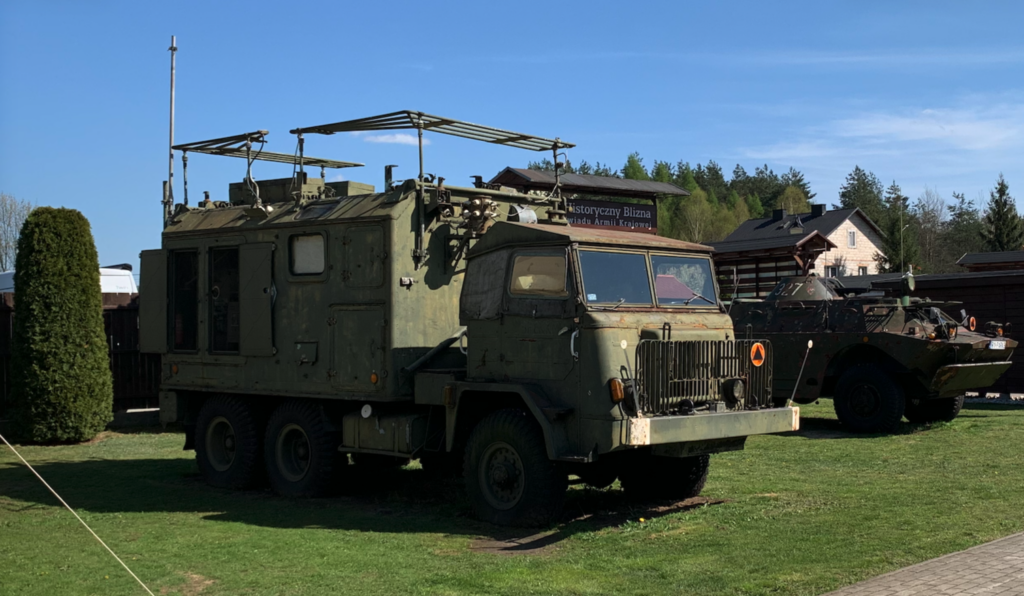
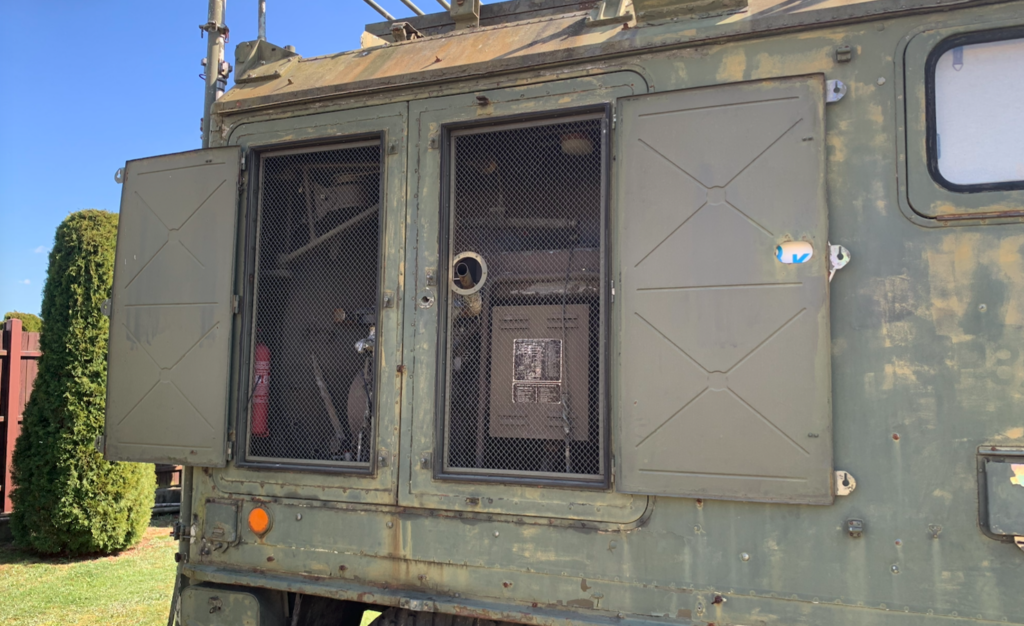
The R-137 B communications radio station is a mobile, ultra-shortwave (VHF), single-sideband, medium-power, transmitting and receiving device. It can communicate both while stationary and on the move. It was introduced into service with the Polish Army in 1974-1975. The radio station was mounted on a truck chassis, most often a STAR 6×6. The VHF band is most often used for communications, including with aircraft. Output power is up to 800 W. To utilize the radio’s full capabilities, a three-phase power supply (3 x 220 V AC) was required when stationary. It consumed up to 4 kW. Typically, an external generator or a built-in generator was used. This equipment was standard in the 1960s and 1970s in Warsaw Pact countries and formed the basis for communications between mobile communication nodes. Due to its technical parameters, it was called second-generation military equipment, in distinction from older generation double-sideband radios. To ensure communications while in motion, the vehicle was equipped with an extensive antenna system. After installing an additional panel with a remote control actuator (PWZS), the radio station could be operated from a portable station. The second additional element was the (PDZS), a control panel that allowed the radio station to be controlled from a remote communications device, either via cable or radio link, telephone, or telegraph channel. The prototype for this system was the Moscow-built Distanciation-1 (ДИСТАНЦЯ-1) device set.
The R-137 communication radio stations were purchased in 1969 from the Moscow State on the chassis of a ZIL-157 truck, and in subsequent years on the ZIL-131 chassis. The R-137B version was manufactured at the ZE-WAREL factory in Warsaw and mounted on the STAR 66 truck chassis. The R-137BZ version was modernized and manufactured at the ZE-WAREL factory and mounted on the STAR 266 truck. The R-137T version was manufactured by ZE-WAREL on the chassis of an MT-LB personnel carrier. They entered service with the Polish Army in 1987.
R-137 tactical and technical data:
When moving on a 3-4 m rod antenna, the range is up to 30 km. When stationary on a volumetric vibrator antenna on a 12 m mast, the range is 50-70 km. When stationary on a vertical semi-rhombus antenna on a 12 m mast, the range is up to 150 km. The maximum range depends on terrain, weather and time of day. Power supply; Single-phase network 220 V, 50 Hz (PAB-2) – receiving devices only. Three-phase network 3 × 380 V or 3 × 220 V, 50 Hz. AB-4 diesel generator (4 kW, 3 × 220 V). GAB-8 generator (8 kW, 3 × 380 V). Operating options: Simplex or duplex operation. By telegraph key from the radio station console or a portable device. By microphone from the radio station console, a portable device, or the driver’s cab. By teletypewriter from the radio station or other telegraph stations. From a field telephone set up to 800 meters away. Through R-405 radio link channels in the telephone or telegraph channel. Through a telephone encryption device from the radio station or a remote telephone. From various telephone or telegraph stations.
Written by Karol Placha Hetman